
Every year, when summer starts, the same question comes up again and again – Should I get a cooler or an AC? Since I am an electrical engineer myself, many people ask me this question.
I can tell you from my own experience that if you make the wrong decision, you spend money, but still you don’t get the right cooling. Sometimes the electric bill grows so much that you regret it later.
That is why in this article, I am going to explain to you in very simple terms the real difference between an air cooler vs air conditioner, its pros and cons, and which option is right for you.
Main Differences Between Air Cooler and Air Conditioner
Both devices are used to cool air, but their working methods are completely different. A cooler works on the evaporation of water, while an AC uses gas and a compressor to cool the air.
A cooler uses less electricity and cools with fresh air, but an AC cools a closed room more effectively, so it is the right choice for your budget and needs. Here’s a quick comparison:
| Feature | Air Cooler | Air Conditioner |
|---|---|---|
| Cooling Power | Medium | High |
| Electricity Use | Very Low | Very High |
| Monthly Cost | Low | High |
| Best Climate | Dry Areas | Humid Areas |
| Room Size | Small–Medium | All Sizes |
| Maintenance | Easy | Moderate |
Also Read: Top 5 1.5-Ton Split AC Half Price Amazon Deals in India 2026
How Does an Air Cooler Work?
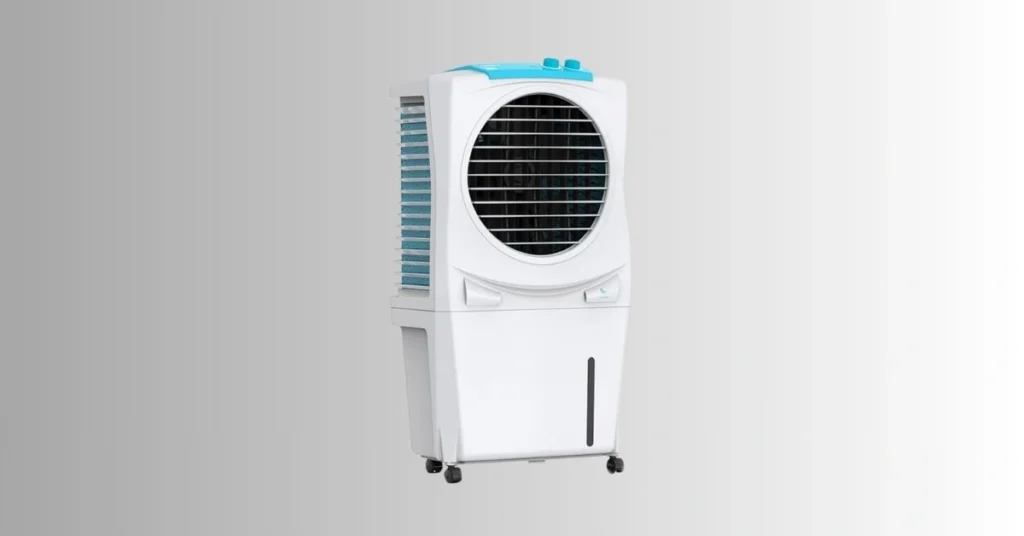
The cooler works on the principle of water evaporation. Hot air passes through the damp pad, and cool air comes out of it. I have used the cooler myself in dry areas, and it works very well there. But in humid weather, it does not give the expected results. Cooler requires less electricity to run, and its great feature is that it can run on an inverter even if the power goes out.
- In dry cities like Jaipur, Lucknow, or Delhi, air coolers excel because the dry climate allows faster evaporation.
- With low energy consumption, they can run easily on inverters during power cuts.
- However, in coastal areas like Chennai or Mumbai, where humidity is high, air coolers are less effective.
Think of it as nature’s way of cooling — simple, affordable, and eco-friendly.
Also Read: Can Low Voltage Damage Air Conditioner? The Hidden Danger and How to Save Your Cooling System
How Does an Air Conditioner Work?
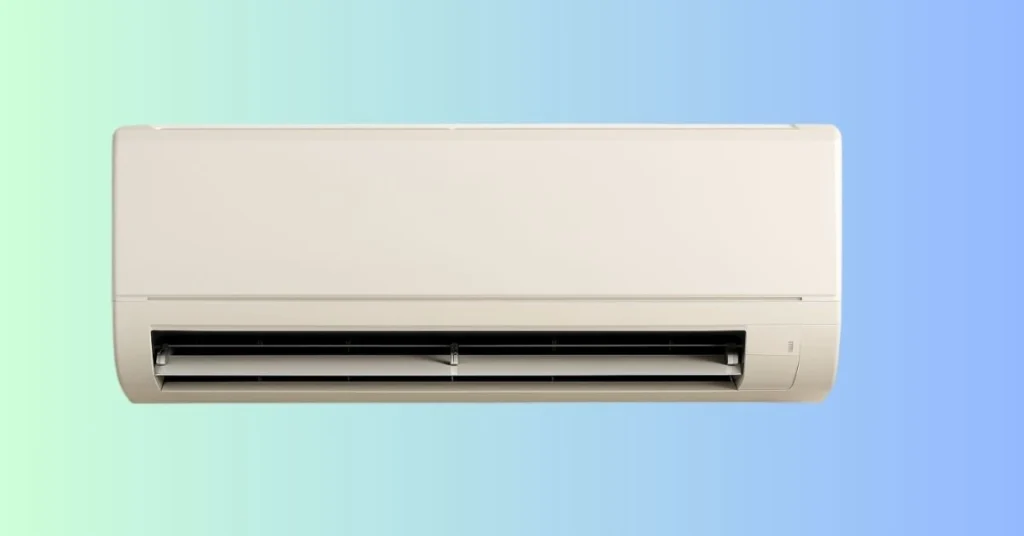
AC uses refrigerant gas and a compressor to remove heat from the room and let cool air in. This not only provides cooling but also reduces the humidity in the air. When I used AC in humid weather, I immediately felt the difference, but it consumes more electricity and requires maintenance.
- Perfect for humid regions like Kolkata or coastal Andhra Pradesh.
- Provides powerful cooling for larger spaces such as living rooms or offices.
- But, ACs are expensive, consume more electricity, and need regular maintenance.
In short, ACs are great if you want comfort without compromise, but they come at a cost.
Also Read: What Temperature to Set Air Conditioner in Summer at Night: Expert Tips for Comfort & Energy Savings
Pros and Cons of Air Cooler vs Air Conditioner
Pros of Air Coolers
- Cheaper purchase price.
- Consumes up to 10x less energy compared to AC.
- Works even on inverters during power cuts.
- Circulates fresh outdoor air (good for indoor air quality).
- Eco-friendly, uses water instead of refrigerants.
Cons of Air Coolers
- Not effective in humid weather.
- Needs regular water refilling.
- Cooling is less powerful than ACs.
Pros of Air Conditioners
- Faster and more effective cooling.
- Works in humid climates where coolers fail.
- Removes heat + humidity, making the room more comfortable.
- Perfect for large families and bigger rooms.
Cons of Air Conditioners
- High purchase cost & installation charges.
- Consumes 8x more energy (higher electricity bills).
- Requires regular servicing.
- Not eco-friendly due to refrigerant usage.
Also Read: How Does an Air Conditioner Work in a House? A Simple Explanation for Homeowners
Which One Should You Choose?
If you’re confused between an air cooler vs air conditioner, here’s a simple guide:
- Choose an Air Cooler if you live in a dry climate, have budget constraints, or face frequent power cuts.
- Choose an Air Conditioner if you live in a humid area, want consistent cooling, or need to cool larger spaces.
Air Cooler vs AC Electricity Consumption
The biggest difference between a cooler and an AC is the power consumption. Many people decide only by looking at the cooling, but then they are really shocked when they see the electricity bill.
Coolers generally use 100 to 200 watts of power. Means that it runs on very little power, and even if it is turned on all day, the bill does not increase much. That is why coolers are a very good option for homes where electricity goes out frequently or for those who are thinking of running it on an inverter.
But the picture of AC is a little different. ACs generally use 1200 to 1800 watts of power. Means that it uses 5 to 8 times more power than a cooler. If you run the AC for 7 to 8 hours every day, then at the end of the month, the electricity bill can easily go up to 2000 to 4000 rupees.
This happened to me, too. Initially, after buying an AC, the cooling was great, and I was very happy. But when I got the first electricity bill, I was really shocked. Then I realized that, as important as cooling is, the electricity cost is also important.
The Cooler cooling is a little less, but the mind remains calm because the bill does not increase. AC is very comfortable, but you have to think a little while looking at the bill every month.
So keep one thing in mind.
If you want simple cooling at low cost, then a cooler is suitable.
But if you want strong cooling in any situation, then you have to choose an AC, but be prepared to spend more for it.
In my own experience
From my own experience, once I started using a cooler in a small room. Initially, I felt a little cold and thought I had made the right decision. But as the weather became humid, the cooler was of no use. Even though the cooler was on, I was sweating and could not sleep.
Later, I installed an AC and felt the difference on the first day. The room immediately cooled down, and I felt comfortable. But at the end of the month, I was a little shocked to see the electricity bill. Only then did I realize that if you decide only based on the cold, it will not work, but you have to consider both the cost and the usage.
That is why I have simple advice. Think about the weather in your area and your budget first; you may regret it later.
FAQs
Which is better AC or cooler?
An air cooler is a better option if you want to save on bills, live in a dry city, and face frequent power outages. But if you are looking for effective cooling in a moist climate, then AC is the better option. While coolers are less expensive and environmentally friendly, ACs deal with both heat and moisture. The decision is determined by budget, climate, and room dimensions.
What are the disadvantages of air coolers?
Air coolers are not effective in areas with humid climates because the evaporation of water is essential for their operation. For their operation, they need regular refilling and cleaning of pads to prevent the development of an odor. An air cooler offers less powerful cooling than an air conditioner and is not suitable for large rooms. In any case, they are very useful for affordable, environmentally-friendly cooling in arid areas.
How cold can an air cooler get?
The temperature of a room can be lowered by 5–10°C with an air cooler, depending on the outside weather. They feel cooler in arid regions because evaporation is most efficient there. They, however, fall short compared to the chilled effect of an AC, which can cool a room to 16–18°C.
Can air coolers cool a room?
Yes, air coolers can cool a room, particularly if it is a small or medium-sized space that is well ventilated. These coolers operate by injecting fresh, moist air into the room, which is enjoyable in arid climates. To achieve optimum outcomes, position the cooler adjacent to a window or door to enable continuous airflow.
Can I use an air cooler without water?
No, air coolers need water in the tank for the evaporation process to work. Without water, they will simply blow warm air like a fan. Always keep the water tank filled for effective cooling, and in very hot weather, you can even add ice for an extra cooling effect.
Final Thoughts
Generally speaking, the air cooler vs air conditioner debate depends on where one is and how one lives. Having a cooler is appropriate for small rooms and is suitable for joint families and homes on a budget. However, if you are living in a humid city or looking for ‘powerful, all-weather cooling,’ then an air conditioner is a better choice.
In the end, it’s comfort vs price — pick well, and you’ll be cool all summer.
