
One summer, I had a case where the air conditioner suddenly stopped working. The homeowner was very worried because he thought he would have to spend a lot of money. After investigating, the real reason came to light – low voltage.
Then one question became clear. Can low voltage damage air conditioners? And many people are not aware of this danger. As an electrical engineer, I often come across such experiences where voltage fluctuations in India can have serious effects on the equipment.
In this article, we will see in detail how low voltage affects the air conditioner, what the first signs are, and how to take proper protection.
Why Low Voltage is a Problem in India
Voltage drops are common in many Indian cities and small towns—especially during the peak summer days when everyone is running an air conditioner or a cooler.
Motor may find it hard to work at low voltage levels, causing the compressor and electrical components to strain. After some time, low voltage can negatively impact your electrical devices, TVs, fridges, and most importantly, air conditioning systems.
Low voltage levels, while the compressor tries to start, are a problem for it as it does not get enough power to start; hence, it ends up with problems of overheating, wear, and tear.
Tips: Use our Amps to Kilowatts Calculator to instantly convert amps into kilowatts and estimate electrical load requirements.
Expert Insight (Electrical Engineer Perspective)
In low-voltage conditions, the motor does not get the required energy, so it tries to draw more current.
This process heats the winding and gradually degrades the insulation, resulting in a shorter device life. Since the compressor is the most important part of the air conditioner, its stress can change significantly.
Also Read: What Temperature to Set Air Conditioner in Summer at Night
Check our kW to Amps Calculator for accurate results
Can Low Voltage Damage Air Conditioner?
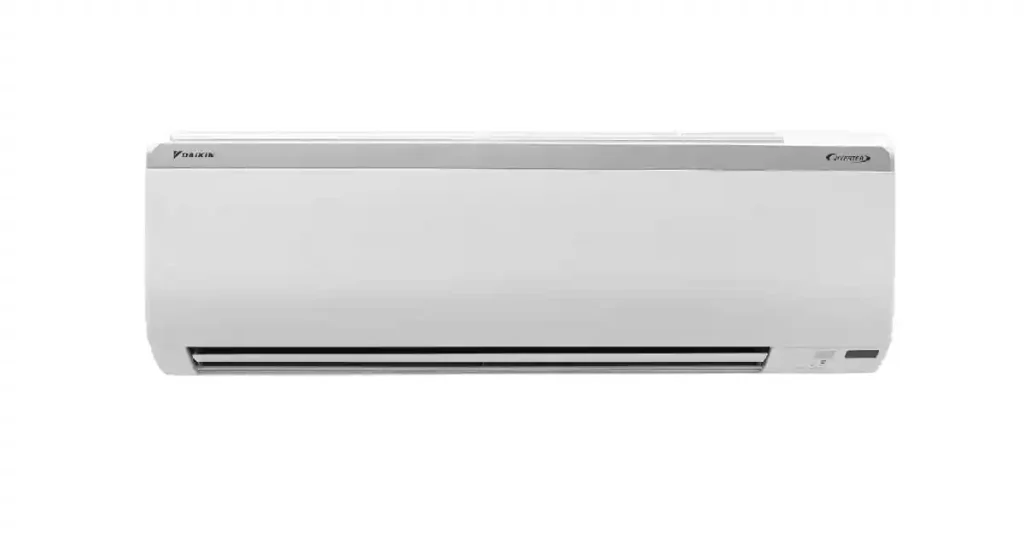
Yes, low voltage can damage an air conditioner. Whenever an AC is in operation under low voltage conditions, it creates a strain on the AC components, such as the capacitor, winding, and compressor. This reduces its cooling capacity. Electrical damage may occur, or even the motor may burn out.
Low voltage damages your air conditioner in the following ways:
| Poor cooling, AC not cooling fully, and components may malfunction | Impact on AC Performance |
|---|---|
| 220–240V (Proper Voltage) | Works efficiently and safely |
| 180–210V (Low Voltage) | Poor cooling, AC not cooling fully, components to malfunction |
| Below 180V (Very Low) | Compressor damage, unit shuts off, risk of overheating |
Also Read: How Does an Air Conditioner Work in a House?
What Happens Inside the AC During Low Voltage
At low voltage, the compressor does not get enough power to start, so it tries to start repeatedly but does not start completely. This process increases heat and puts stress on the internal parts.
After some time, the compressor windings and other components are affected, making the system inefficient. If this continues, there is a possibility of the compressor burning out.
Spot These Signs Before Low Voltage Ruins Your AC
- Poor cooling or longer times for cooling.
- The compressor will remain off intermittently.
- Electrical components are getting unusually hot.
- AC system is making humming noises but not starting
Also Read: How Much Does an Air Conditioner Cost for a 2000 Sq Ft Home?
Smart Ways to Shield Your AC from Low Voltage Damage
- Install a voltage stabilizer – It should support your AC model and be capable of handling voltage drop as well as power surges (BEE India guide).
- Use a surge protector – Surge protectors also protect the equipment against sudden power surges.
- Regular maintenance – Organize AC maintenance to nail down and fix wiring or voltage issues.
- Monitor voltage levels – This small investment in a voltage range monitor would surely place a smile on your HVAC system’s face.
- Disconnect the AC – If the voltage is low, turn the device off to prevent potential damage.
Real-World Warning Signs
In actual use, some signs may appear earlier, for example, the air conditioner taking longer to start, the cooling loss, or the appliance making strange noises.
Ignoring these signs increases the likelihood of a major breakdown. If you pay attention at the right time, you can avoid major expenses.
Safety Advice from an Engineer
From my experience, it is very important to use a voltage stabilizer of the right capacity, and it is equally important to have proper wiring and proper earthing in the house.
It is safer to take protective measures than to use the device directly in areas where voltage changes frequently.
FAQs
What to do if AC is not working due to low voltage?
If your AC stops working due to low voltage, an operative measure is to turn it off and wait for the voltage levels to stabilize before turning it on again. Voltage stabilizers or surge protectors may come in handy in preventing potential damage from occurring later.
What is the minimum voltage to run an air conditioner?
Almost all air conditioners require a minimum of 220V for their safe and efficient operation. When AC units are run below this voltage, it puts strain on AC components and causes cooling system failures.
Is higher voltage better for air conditioners?
No, higher voltages can be as much the culprit as low voltage and can cause electrical damage to your AC. The best alternative is to maintain a stable voltage within the voltage range specified by the manufacturer.
Final Thoughts
Can low voltage damage air conditioner? Yes, it can, especially with voltage fluctuations going on in the area. Application of a voltage stabilizer, vigilant regular maintenance, and cautious observation of voltage levels allows you to have your air-conditioner functioning efficiently and safely for many years. Don’t wait for your AC to fail; take steps today to protect your AC from low-voltage damage.
Engineer’s Recommendation: Based on my technical experience, in areas where voltage fluctuations are high, two measures are mandatory: a voltage stabilizer and regular maintenance. These measures increase the life of the air conditioner and avoid unnecessary expenses.
